
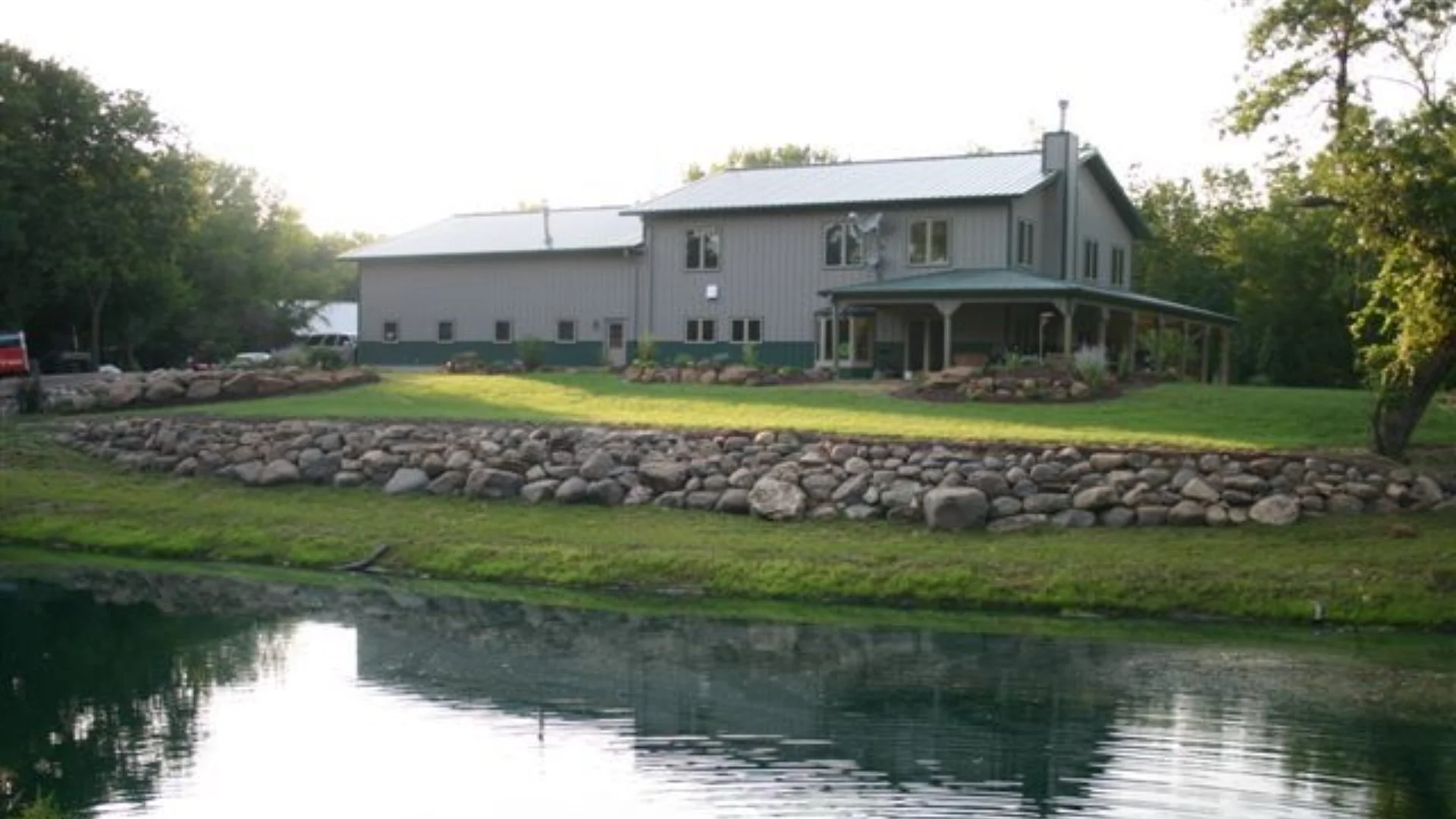
If you're looking to add a retaining wall to your property in Nebraska or Iowa, you'll want to make sure that it includes a drainage system. Retaining walls need proper drainage to prevent hydrostatic pressure, which can cause movement, cracking, or collapse. Effective drainage maintains the wall's structural integrity and prevents water-related damage. Key components include gravel backfill to allow water flow, a French drain pipe to direct water away, weep holes for pressure relief, and filter fabric to prevent clogging. Hiring professionals ensures these elements are correctly implemented and tailored to your landscape's needs. Their expertise guarantees a stable, functional, and aesthetically pleasing retaining wall, prolonging its life and enhancing your property's appearance.
Why do retaining walls need drainage?
Retaining walls are designed to support the weight of the soil behind them. However, when water accumulates in the soil, it increases the pressure on the wall significantly. This added pressure, known as hydrostatic pressure, can lead to wall movement, cracking, or even collapse. Proper drainage helps alleviate this pressure by allowing water to escape, thus maintaining the structural integrity of the wall.
Additionally, poor drainage can cause water to seep through the wall, leading to unsightly stains, erosion, and damage to the materials. Ensuring your retaining wall has adequate drainage is crucial for preventing these issues and prolonging the life of the structure.
Essential Retaining Wall Drainage Components Include Gravel Backfill, Weep Holes & More
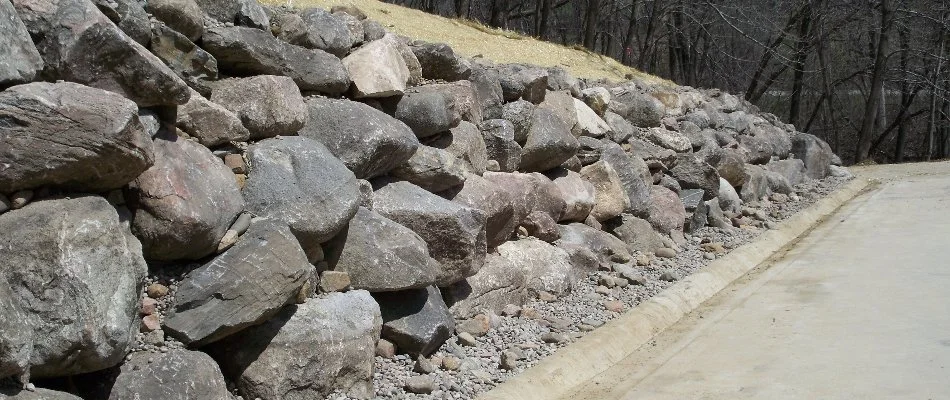
When it comes to retaining walls, proper drainage is essential to ensure the longevity and stability of the structure. There are several components that are integral to the drainage system of a retaining wall, including:
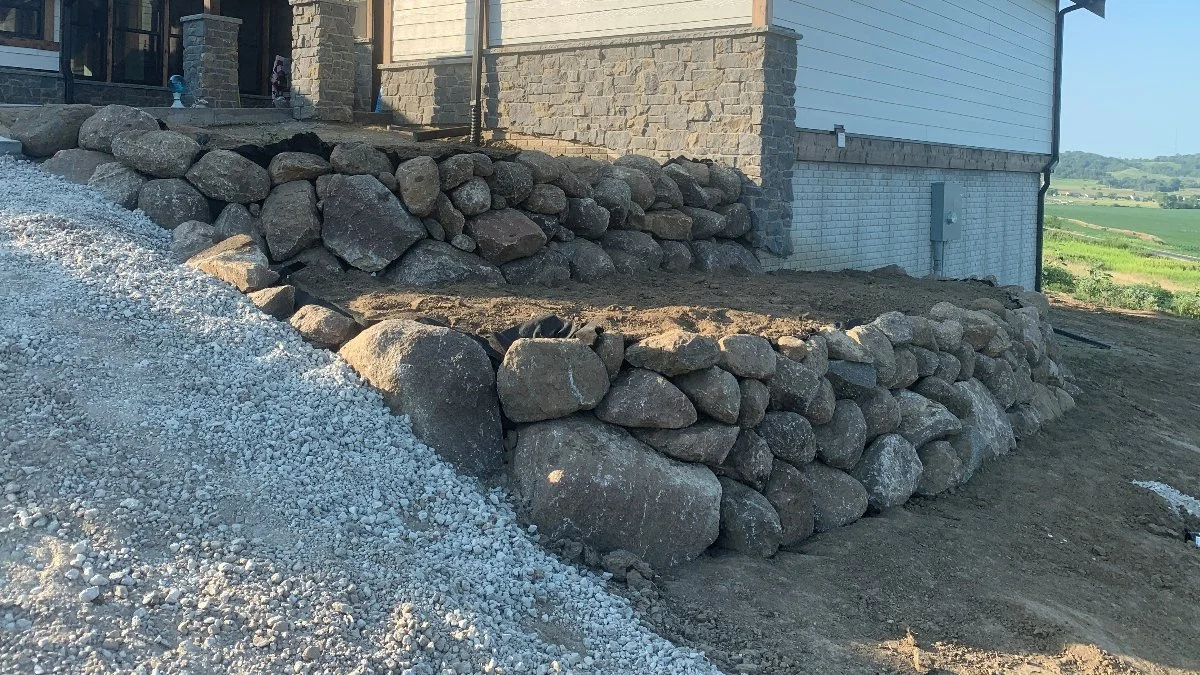
- Gravel Backfill: Gravel is typically placed directly behind the wall to create a permeable barrier that allows water to flow freely. The gravel backfill reduces the accumulation of water and directs it towards designated drainage outlets. Using angular gravel is ideal, as it compacts well and provides excellent drainage.
- Drain Pipe (French Drain): This perforated pipe is placed at the base of the wall, within the gravel backfill. It collects excess water and directs it away from the wall, preventing water buildup and reducing hydrostatic pressure. The pipe should be sloped to ensure efficient water flow away from the wall.
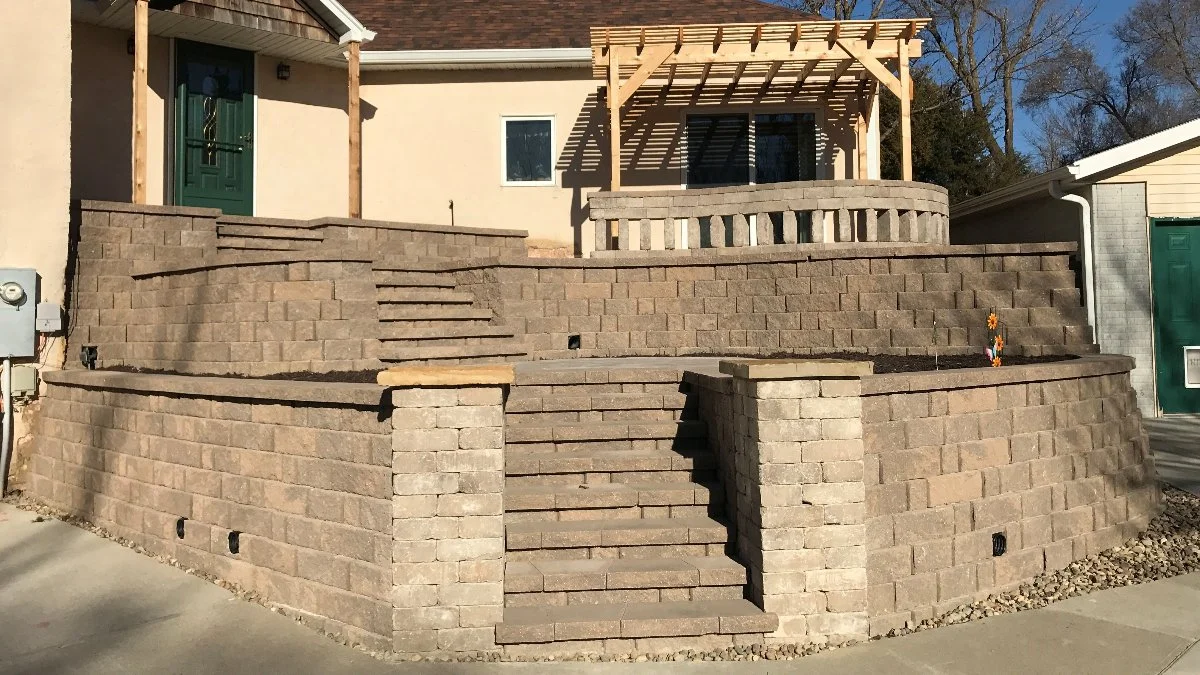
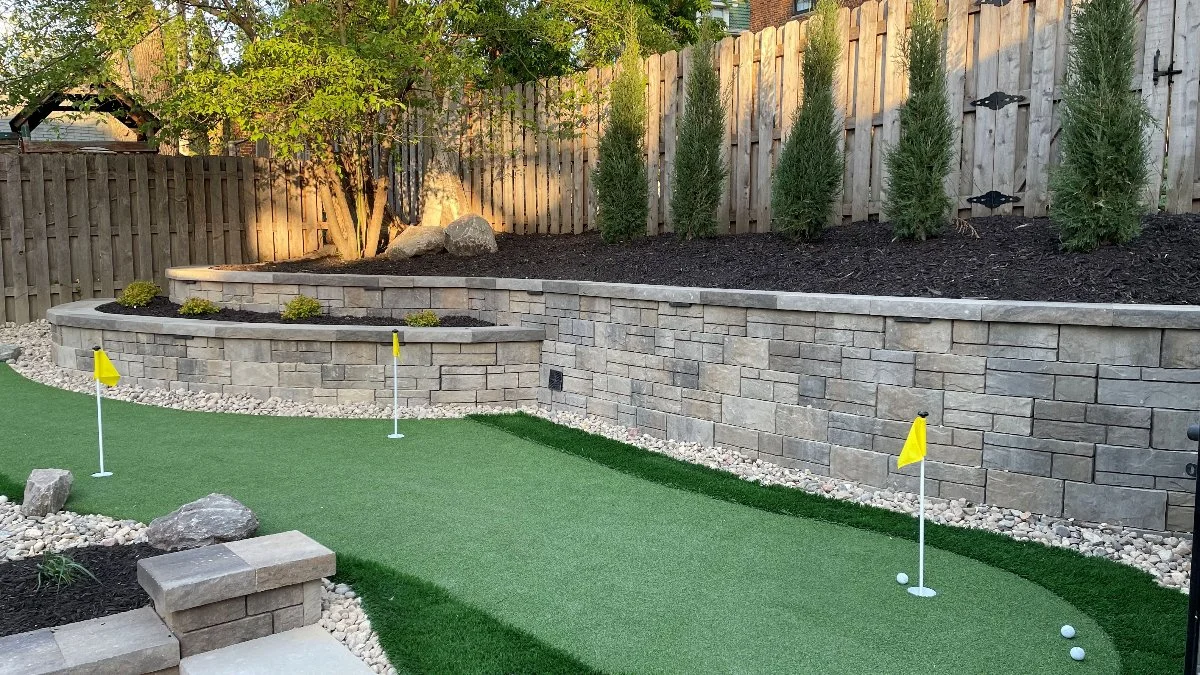
- Weep Holes: Weep holes are small openings placed at the bottom of the retaining wall. They allow water to escape from behind the wall, reducing pressure and preventing waterlogging. Weep holes should be spaced evenly along the length of the wall to ensure consistent drainage.
- Filter Fabric: Filter fabric is used to separate the soil from the gravel backfill. It prevents soil particles from clogging the gravel and drain pipe, ensuring the drainage system remains effective. The fabric allows water to pass through while keeping the soil in place, maintaining the integrity of both the wall and the drainage system.
Hire professionals to ensure your retaining wall is built correctly and has proper drainage.
Building a retaining wall with proper drainage is a complex task that requires expertise and precision. Hiring professional contractors ensures that your wall is constructed to the highest standards, with all necessary drainage components in place. Experienced professionals understand the intricacies of retaining wall design and can tailor solutions to suit your specific property's needs.
Professionals can also assess your landscape and provide recommendations for the best materials and drainage solutions. Their expertise ensures that your retaining wall not only performs its function effectively but also enhances the overall appearance of your property.
Call us today to schedule our retaining wall installation service!
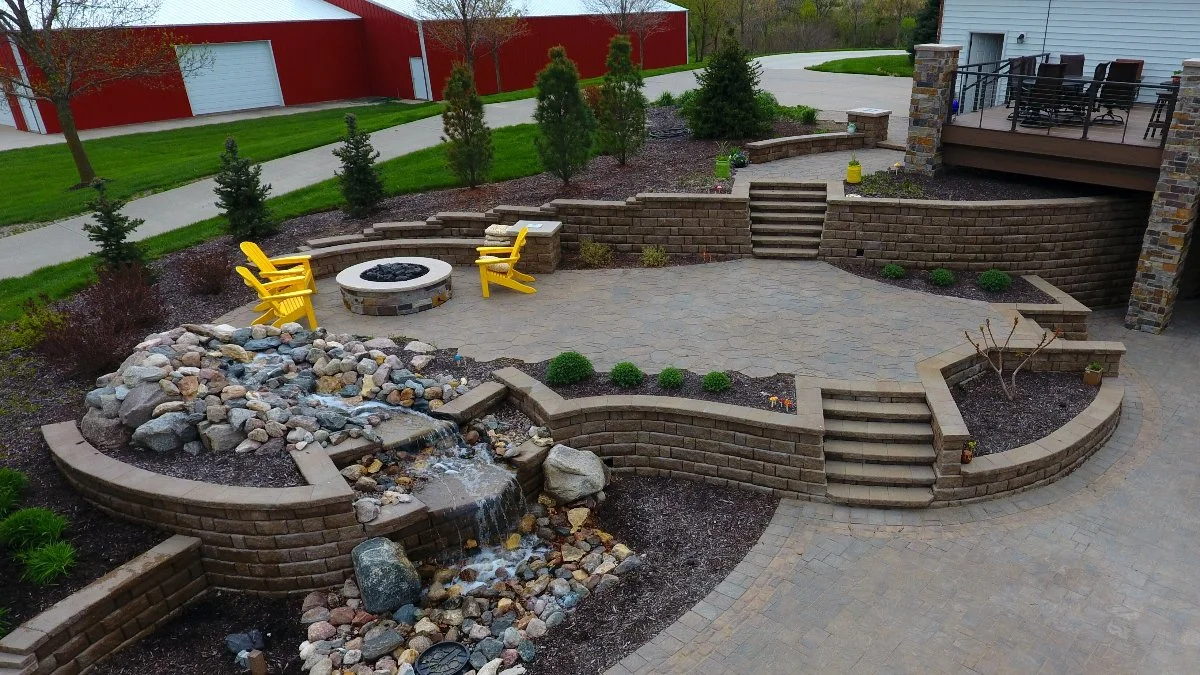
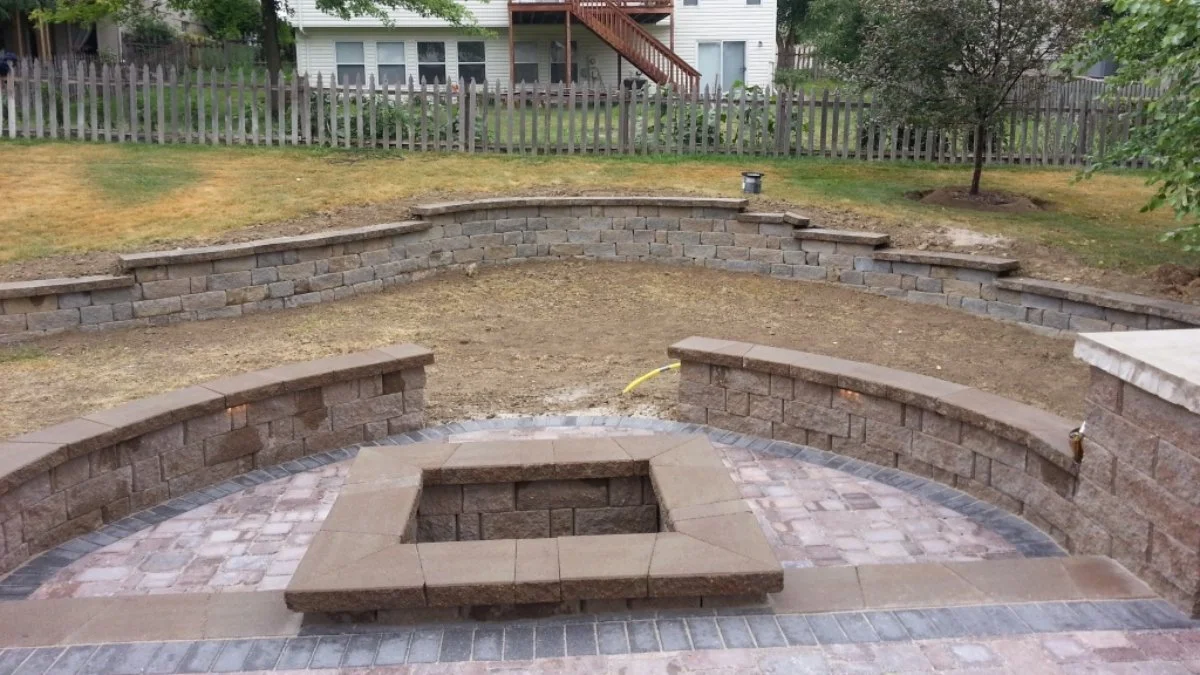
By incorporating key drainage components in your retaining wall, you can protect your wall from damage caused by water pressure. At Clear Creek Landscapes, we can install a retaining wall on your property to help prevent soil erosion and create more usable flat space. Our team offers high-quality materials, like blocks, stones, and veneers, to build retaining walls and ensure they also look beautiful in your outdoor space!
We offer our retaining wall installation service to commercial and residential property owners, as well as HOAs, in Omaha, Elkhorn, Gretna, and nearby areas in Nebraska and Iowa. Give us a call at (402) 677-7652 to schedule this service today!

Comments (0)
Thanks for your comment!
Thanks for your feedback! Your comments have been successfully submitted! Please note, all comments require admin approval prior to display.
Error submitting comment!
There is a problem with your comment, please see below and try again.