
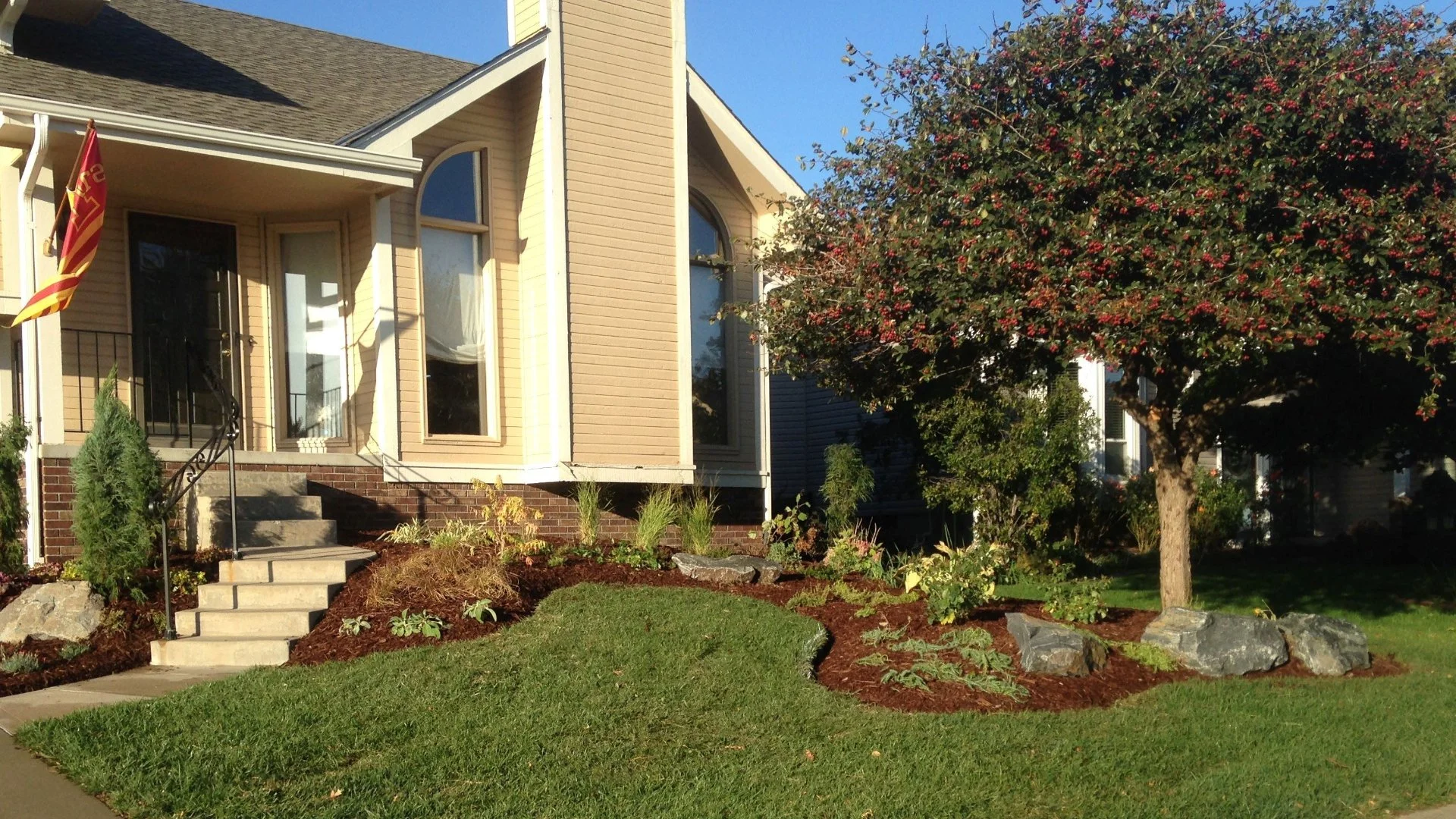
Layering your plants is a key landscape design technique that can create depth and visual interest for your yard in Nebraska or Iowa. Follow the 3-tier rule by placing the tallest plants, like shrubs or trees, at the back or center, medium-sized plants, such as perennials, in the middle, and small or low-growing plants in the front. Stagger plants in a zig-zag pattern to enhance depth and allow for healthy growth. You can also group 3-5 plants of the same type together for visual impact and easier maintenance. Incorporating contrasting leaf textures and shapes and using complementary colors are great ways to create a dynamic, captivating garden.
Arrange Your Plants by Height
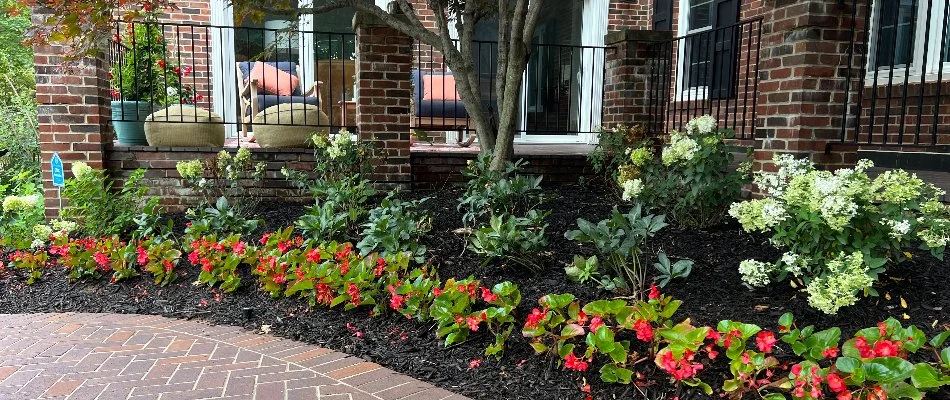
One of the most important aspects of layering your plants is arranging them by height. This creates a sense of depth and dimension in your landscape, making it look more interesting and dynamic. To do this effectively, follow the 3-tier rule:
- Place the tallest plants in the back or center, such as shrubs or trees, to create a backdrop for the rest of your landscape.
- Place medium-sized plants in the middle, such as perennials or smaller shrubs, to add texture and interest.
- Place small or low-growing plants in the front, such as annuals, perennials, or ground cover, to create a neat and tidy border.
Stagger Plants in a Zig-Zag Pattern
While it might be tempting to line up your plants in neat rows, staggering them in a zig-zag pattern adds depth and visual interest. This technique breaks away from the monotony of straight lines, allowing your eyes to dance across the garden and appreciate the variety of plants.
By staggering your plants, you also create more space for them to grow and thrive. This arrangement ensures that each plant has enough room for its foliage and flowers to spread out, reducing competition for sunlight and nutrients. The zig-zag pattern not only enhances the beauty of your garden but also contributes to the health of your plants.
Group 3-5 Plants of the Same Type Together
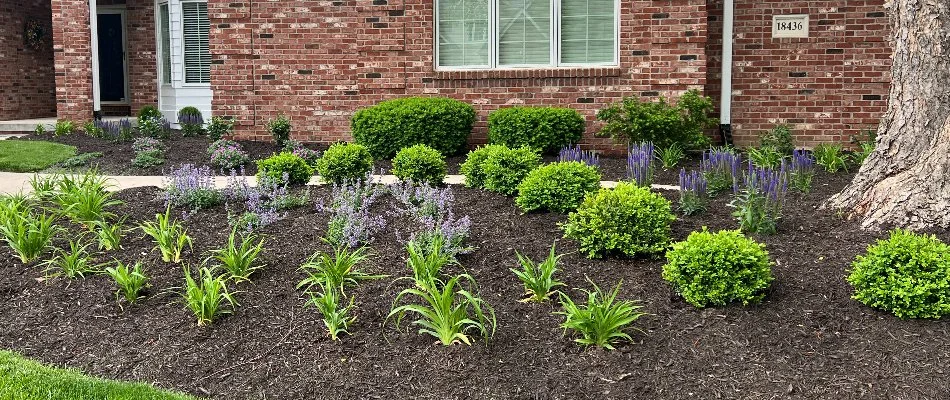
Another key aspect of layering plants is grouping similar types together. Instead of scattering different plants throughout your garden bed, consider grouping 3-5 plants of the same type together. This creates a striking visual impact and reinforces the theme of your garden.
Grouping plants also simplifies maintenance and care. When similar plants are together, it’s easier to provide the specific care they need, whether it’s watering, pruning, or fertilizing. Additionally, these groups can serve as focal points, drawing the eye and adding structure to your landscape.
Use Contrasting Leaf Textures & Shapes
To add depth and interest to your garden, incorporate plants with contrasting leaf textures and shapes. This diversity in texture and form creates a dynamic landscape that captures attention. For instance, pair plants with broad, smooth leaves with those that have fine, feathery foliage. The juxtaposition of different textures enhances the visual complexity of your garden.
Color also plays a crucial role in plant layering. Use contrasting or complementary colors to achieve your desired color scheme. Whether you want a vibrant, colorful garden or a more subdued, monochromatic look, the strategic use of color can elevate your landscape design.
Call us today to schedule our plantings and softscapes service!
At Clear Creek Landscapes, we understand the importance of a well-designed landscape, and we are here to help you create a stunning outdoor space with our plantings and softscapes service. Our team of experts will work with you to ensure your landscape beds are adorned with plants that are beautifully arranged! We'll take into account the tips discussed to highlight the best features of your plants and ensure they are installed properly to allow them to thrive.
We take pride in our attention to detail and commitment to quality, and we are confident that you will be thrilled with the results. We offer this service to residential and commercial properties, as well as HOAs, in Omaha, Elkhorn, Gretna, and nearby areas in Nebraska and Iowa. Give us a call today at (402) 677-7652 to schedule this service.

Comments (0)
Thanks for your comment!
Thanks for your feedback! Your comments have been successfully submitted! Please note, all comments require admin approval prior to display.
Error submitting comment!
There is a problem with your comment, please see below and try again.